Collection · 50 films
German Expressionism
Explore distorted spaces and emotional shadows in Weimar-era filmmaking.
In MovieMapper you can track how much of it you've seen, or turn it into a Journey to watch with friends.
The list
The first 30 of 50
- 1
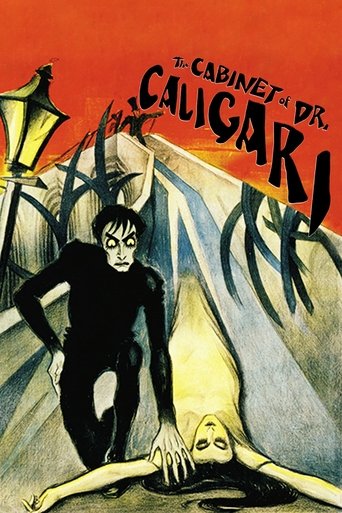
The Cabinet of Dr. Caligari
1920 · Robert Wiene
Painted streets and jagged rooms turn unstable perception into the film’s entire visual world.
- 2
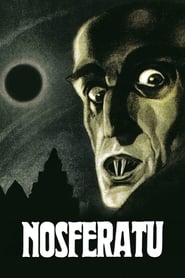
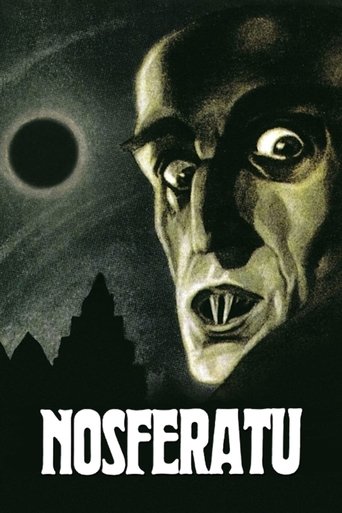
Nosferatu: A Symphony of Horror
1922 · F. W. Murnau
A vampire’s shape and shadow infect real landscapes with supernatural dread.
- 3
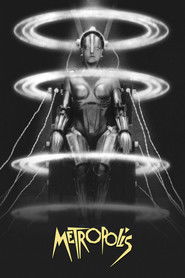
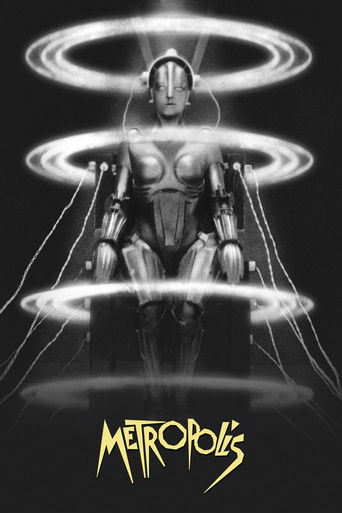
Metropolis
1927 · Fritz Lang
Mechanical crowds, towering architecture, and a human double make modernity feel monstrous.
- 4
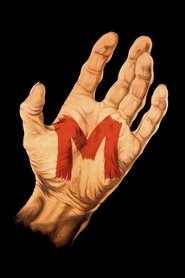
M
1931 · Fritz Lang
Shadows and disembodied sound turn a citywide manhunt into collective psychological panic.
- 5
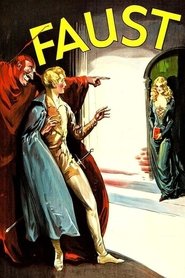
Faust
1926 · F. W. Murnau
Plague, temptation, and colossal supernatural figures transform moral conflict into visual spectacle.
- 6

The Golem: How He Came into the World
1920 · Paul Wegener, Carl Boese
An animated clay protector inhabits twisting architecture shaped by fear and folklore.
- 7
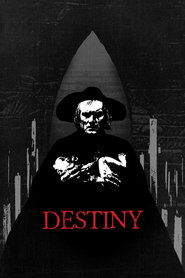
Destiny
1921 · Fritz Lang
Death’s towering realm frames three tales where desire meets an overwhelming visual fate.
- 8
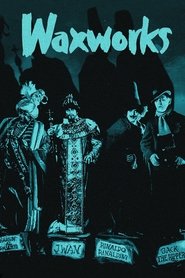
Waxworks
1924 · Paul Leni
A wax museum inspires three fantasies that bend sets around fear and desire.
- 9

The Hands of Orlac
1924 · Robert Wiene
A pianist’s transplanted hands turn his body into the site of a psychological nightmare.
- 10
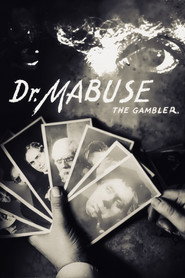
Dr. Mabuse, the Gambler
1922 · Fritz Lang
A master manipulator makes gambling rooms and urban crowds arenas of unstable control.
- 11
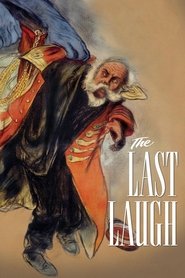
The Last Laugh
1924 · F. W. Murnau
Humiliation reshapes city space through subjective camerawork and looming architecture.
- 12

Die Nibelungen: Siegfried
1924 · Fritz Lang
Monumental geometry and mythical creatures turn heroic legend into a sculpted emotional landscape.
- 13

The Testament of Dr. Mabuse
1933 · Fritz Lang
Ghostly command and unseen voices carry expressionist terror into a sound-era crime conspiracy.
- 14

Warning Shadows
1923 · Arthur Robison
A projected shadow play makes a jealous household confront its violent possibilities.
- 15

From Morn to Midnight
1920 · Karlheinz Martin
Skeletal painted environments externalize a bank cashier’s reckless flight from ordinary existence.
- 16

The Student of Prague
1926 · Henrik Galeen
A purchased reflection becomes a threatening double in a world of ominous shadows.
- 17

Phantom
1922 · F. W. Murnau
A clerk’s romantic fixation distorts his surroundings into an oppressive landscape of obsession.
- 18
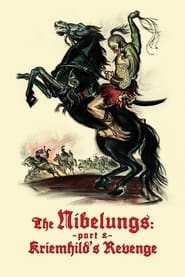
Die Nibelungen: Kriemhild's Revenge
1924 · Fritz Lang
Rigid ceremonial spaces become a consuming landscape of grief, revenge, and catastrophe.
- 19

Variety
1925 · E. A. Dupont
A trapeze performer’s jealousy drives dizzying camera movements and emotionally charged visual perspectives.
- 20
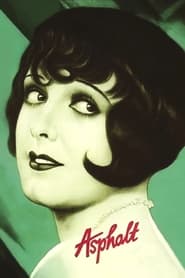
Asphalt
1929 · Joe May
A studio-built Berlin surrounds a compromised policeman with seductive surfaces and looming shadows.
- 21

Spies
1928 · Fritz Lang
Conspiratorial spaces and fractured identities bring expressionist anxiety into an influential espionage thriller.
- 22
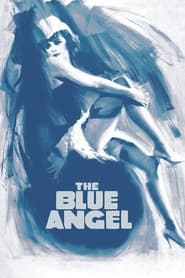
The Blue Angel
1930 · Josef von Sternberg
Tilted streets and suffocating backstage spaces visualize a schoolteacher’s humiliating obsession.
- 23

Sunrise: A Song of Two Humans
1927 · F. W. Murnau
Murnau’s American film carries subjective landscapes and threatening urban spectacle across the Atlantic.
- 24

The Man Who Laughs
1928 · Paul Leni
Leni’s American melodrama gives a disfigured performer a world of grotesque visual contrasts.
- 25

The Cat and the Canary
1927 · Paul Leni
An emigrant director turns a haunted-house comedy into a playground of shadows and distortion.
- 26
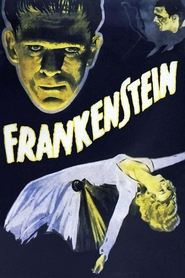
Frankenstein
1931 · James Whale
Angular laboratories and expressive shadows carry German monster cinema into Hollywood horror.
- 27
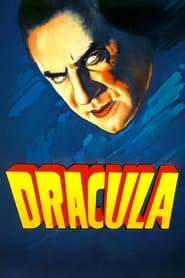
Dracula
1931 · Tod Browning
Cavernous sets and hypnotic faces translate a German-influenced horror vocabulary into American sound cinema.
- 28
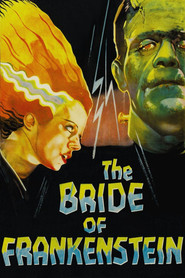
Bride of Frankenstein
1935 · James Whale
Crooked laboratories and grotesque performance amplify Hollywood horror’s expressionist inheritance.
- 29

The Black Cat
1934 · Edgar G. Ulmer
Modernist architecture and macabre psychology reshape German visual terror inside a Hollywood chiller.
- 30
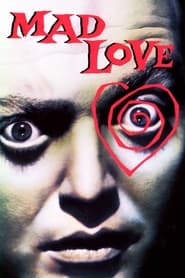
Mad Love
1935 · Karl Freund
The Orlac story returns with Peter Lorre, obsessive desire, and nightmare medical imagery.
More collections
Eras, decades and movements
 Hong Kong New Wave88 filmsFollow Hong Kong’s late-1970s onward surge of ambitious new filmmakers.
 Iranian New Wave94 filmsExplore the varied Iranian new-wave traditions before and after 1979.
 Japanese Golden Age99 filmsDiscover the postwar flourishing of Japanese cinema, especially the 1950s.
 Japanese New Wave97 filmsFollow Japan’s politically and formally restless cinema of the 1960s and 1970s.
 L.A. Rebellion59 filmsExplore features and important shorts from the Black independent filmmaking community associated with UCLA.
 Mumblecore73 filmsFind intimate American independents associated with conversational, low-budget realism.