Collection · 97 films
Japanese New Wave
Follow Japan’s politically and formally restless cinema of the 1960s and 1970s.
In MovieMapper you can track how much of it you've seen, or turn it into a Journey to watch with friends.


The list
The first 30 of 97
- 1

Woman in the Dunes
1964 · Hiroshi Teshigahara
A trapped visitor's labor and desire turn an impossible landscape into existential cinema.
- 2

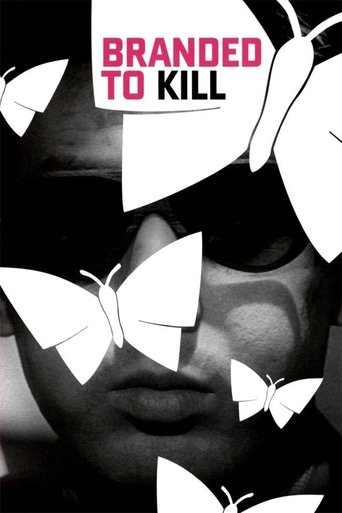
Branded to Kill
1967 · Seijun Suzuki
A hitman's failure explodes into abstract images, absurd rituals, and shattered crime conventions.
- 3

Tokyo Drifter
1966 · Seijun Suzuki
A wandering gangster moves through pop colors that make genre reality feel unstable.
- 4

Funeral Parade of Roses
1969 · Toshio Matsumoto
Queer Tokyo nightlife collides with tragedy, interviews, and experiments in cinematic identity.
- 5

The Face of Another
1966 · Hiroshi Teshigahara
A prosthetic face unsettles personal identity through fractured modernist design.
- 6

Pigs and Battleships
1961 · Shohei Imamura
Gangsters, sex workers, and American military power collide in a corrupt port city.
- 7

Cruel Story of Youth
1960 · Nagisa Oshima
A reckless young couple turns romantic freedom into an indictment of postwar society.
- 8

Death by Hanging
1968 · Nagisa Oshima
A failed execution becomes an absurdist interrogation of racism, memory, and state violence.
- 9

Pale Flower
1964 · Masahiro Shinoda
A gangster's fascination with a young gambler turns noir into a study of emptiness.
- 10

Eros + Massacre
1969 · Yoshishige Yoshida
Anarchist history and student desire fracture into a radical investigation of freedom.
- 11

In the Realm of the Senses
1976 · Nagisa Oshima
Explicit erotic obsession tests censorship and the limits of bodily autonomy.
- 12

The Insect Woman
1963 · Shohei Imamura
A woman's survival across decades exposes the transactions beneath national progress.
- 13

Intentions of Murder
1964 · Shohei Imamura
An assaulted housewife struggles against sexual violence and the family that contains her.
- 14
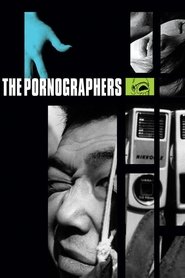
The Pornographers
1966 · Shohei Imamura
An underground filmmaker's home and business collapse into satirical sexual disorder.
- 15

Double Suicide
1969 · Masahiro Shinoda
Visible stagehands turn a lovers' tragedy into an experiment in fate and performance.
- 16

Night and Fog in Japan
1960 · Nagisa Oshima
A wedding becomes an accusatory reckoning with student politics and failed solidarity.
- 17

The Ceremony
1971 · Nagisa Oshima
Family rituals expose authoritarian habits persisting through Japan's postwar transformation.
- 18
Throw Away Your Books, Rally in the Streets
1971 · Shuji Terayama
Youth frustration breaks into songs, direct address, and a rebellious assault on narrative.
- 19

Pastoral: To Die in the Country
1974 · Shuji Terayama
A filmmaker revisits childhood through theatrical images that refuse stable memory.
- 20

Ecstasy of the Angels
1972 · Koji Wakamatsu
A militant cell disintegrates through factional betrayal, sexual politics, and violent paranoia.
- 21

Minamata: The Victims and Their World
1971 · Noriaki Tsuchimoto
Poisoned fishing communities confront corporate power through patient, collaborative documentary attention.
- 22

Onibaba
1964 · Kaneto Shindo
Wartime survival, sexual jealousy, and a frightening mask turn folklore into bodily terror.
- 23

Pitfall
1962 · Hiroshi Teshigahara
A murdered miner's ghost enters a labor mystery built from uncanny industrial spaces.
- 24

The Man Without a Map
1968 · Hiroshi Teshigahara
A missing-person investigation dissolves the detective's confidence in identity and urban reality.
- 25

Youth of the Beast
1963 · Seijun Suzuki
A volatile infiltrator pushes gangster plotting toward visual excess and moral confusion.
- 26
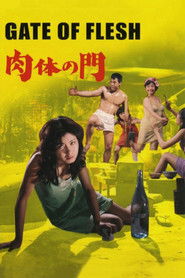
Gate of Flesh
1964 · Seijun Suzuki
Women rebuilding after defeat enforce brutal rules around sex, money, and collective survival.
- 27

Story of a Prostitute
1965 · Seijun Suzuki
A military sex worker's desire challenges the cruelty and hierarchy surrounding her.
- 28

Fighting Elegy
1966 · Seijun Suzuki
Repressed desire feeds adolescent brawling and the seductions of militarism.
- 29

Boy
1969 · Nagisa Oshima
A child forced into accident scams exposes family exploitation beneath social respectability.
- 30

Violence at Noon
1966 · Nagisa Oshima
Fragmented editing examines a violent offender and the women entangled in his life.
More collections
Eras, decades and movements
 L.A. Rebellion59 filmsExplore features and important shorts from the Black independent filmmaking community associated with UCLA.
 Mumblecore73 filmsFind intimate American independents associated with conversational, low-budget realism.
 New German Cinema110 filmsExplore West Germany’s postwar auteur resurgence from the 1960s onward.
 New Queer Cinema83 filmsExplore the confrontational queer independent filmmaking associated with the early 1990s.
 Parallel Cinema137 filmsDiscover India’s regional, socially critical alternatives to mainstream production.
 Poetic Realism51 filmsExplore 1930s French cinema’s fatalism, working lives and lyrical atmosphere.