Collection · 63 films
Italian Neorealism
Find postwar Italian stories grounded in ordinary lives and real places.
In MovieMapper you can track how much of it you've seen, or turn it into a Journey to watch with friends.


The list
The first 30 of 63
- 1

Bicycle Thieves
1948 · Vittorio De Sica
A stolen bicycle makes one family's survival inseparable from Rome's indifferent streets.
- 2

Rome, Open City
1945 · Roberto Rossellini
Occupied Rome becomes the setting for resistance, ordinary courage, and devastating reprisals.
- 3
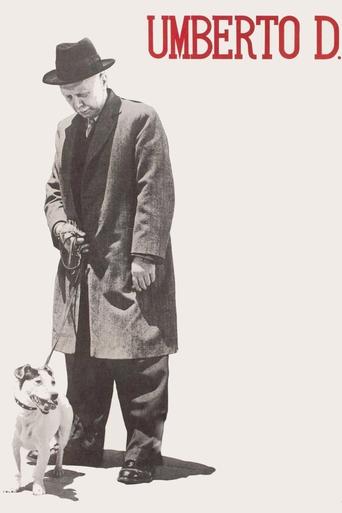
Umberto D.
1952 · Vittorio De Sica
A pensioner and his dog expose the quiet cruelty of economic abandonment.
- 4
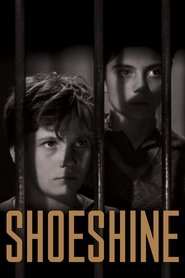
Shoeshine
1946 · Vittorio De Sica
Two boys' friendship is crushed between postwar hustling and an unforgiving justice system.
- 5

Paisan
1946 · Roberto Rossellini
Six encounters trace liberation through Italy's communities, misunderstandings, and human losses.
- 6

Germany Year Zero
1948 · Roberto Rossellini
Rossellini follows a child through Berlin's ruins, extending neorealism beyond Italian borders.
- 7

La Terra Trema
1948 · Luchino Visconti
Sicilian fishing villagers play a community trapped by exploitation and unstable livelihoods.
- 8
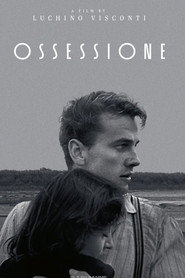
Ossessione
1943 · Luchino Visconti
Visconti's earthy murder story helped clear the path toward neorealism.
- 9
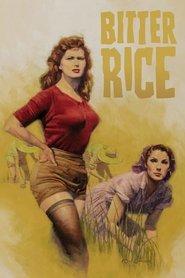
Bitter Rice
1949 · Giuseppe De Santis
Rice-field labor and collective hardship meet crime, desire, and star-powered melodrama.
- 10

Miracle in Milan
1951 · Vittorio De Sica
De Sica deliberately blends shantytown poverty with fantasy and collective hope.
- 11
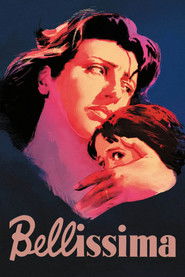
Bellissima
1951 · Luchino Visconti
A mother's movie-star dreams expose class aspiration and the film industry's exploitation.
- 12

Stromboli
1950 · Roberto Rossellini
A refugee's isolation emerges through fishing rituals and a harsh volcanic landscape.
- 13
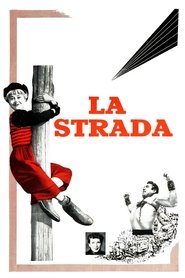
La Strada
1954 · Federico Fellini
Fellini's poetic transition preserves the hardship of people surviving on society's margins.
- 14

I Vitelloni
1953 · Federico Fellini
Provincial idlers reveal a postwar world of stalled work, friendship, and adulthood.
- 15
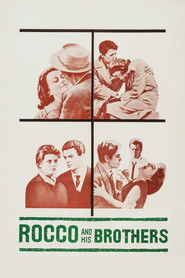
Rocco and His Brothers
1960 · Luchino Visconti
Visconti carries neorealist social roots into a turbulent saga of migration to Milan.
- 16

Two Women
1960 · Vittorio De Sica
De Sica revisits wartime displacement through a mother and daughter's struggle to survive.
- 17
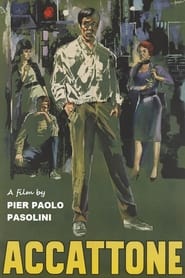
Accattone
1961 · Pier Paolo Pasolini
Pasolini transforms Rome's marginalized street life through nonprofessional performers and sacred imagery.
- 18

Mamma Roma
1962 · Pier Paolo Pasolini
A mother's bid for respectability collides with the exclusions of Rome's outskirts.
- 19

Il Posto
1961 · Ermanno Olmi
Olmi renews neorealism through the tiny humiliations of entering office work.
- 20

The Tree of Wooden Clogs
1978 · Ermanno Olmi
Local nonactors recreate peasant labor, family rhythms, and class injustice in rural Lombardy.
- 21

Europe '51
1952 · Roberto Rossellini
A bereaved woman's encounter with poverty challenges bourgeois comfort and institutional judgment.
- 22

Rome 11:00
1952 · Giuseppe De Santis
A real building disaster exposes the desperate competition facing unemployed women.
- 23

The Path of Hope
1950 · Pietro Germi
Unemployed Sicilian miners undertake a punishing journey in search of work.
- 24

The Roof
1956 · Vittorio De Sica
A young couple's housing crisis becomes a collective struggle for basic shelter.
- 25

Journey to Italy
1954 · Roberto Rossellini
Rossellini's transition turns encounters with Naples into a married couple's emotional reckoning.
- 26

The Flowers of St. Francis
1950 · Roberto Rossellini
Real friars and humble episodes bring neorealist attention to a historical spiritual community.
- 27

Variety Lights
1950 · Federico Fellini, Alberto Lattuada
A struggling theatrical troupe links early Fellini's showmanship to precarious working lives.
- 28

The Children Are Watching Us
1944 · Vittorio De Sica
A child's view of family collapse anticipates De Sica's neorealist concern for vulnerable observers.
- 29
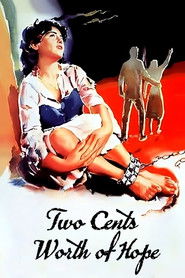
Two Cents Worth of Hope
1952 · Renato Castellani
Village poverty and romance mingle in a key turn toward pink neorealism.
- 30

Il Grido
1957 · Michelangelo Antonioni
A displaced worker's wandering bridges neorealist social terrain and Antonioni's later emotional alienation.
More collections
Eras, decades and movements
 New Hollywood131 filmsFollow the American filmmaking upheaval of the late 1960s and 1970s.
 Video Store Era150 filmsRediscover the rental-shelf culture of VHS and early DVD.
- Y2K Movies124 filmsExplore films around 1997–2005 that embody turn-of-the-millennium anxieties and style.
 1900s Cinema86 filmsExplore surviving shorts and early feature experiments first released from 1900 through 1909.
 1910s Cinema145 filmsFollow features and selected shorts from the 1910–1919 release decade.
 1920s Cinema149 filmsDiscover silent virtuosity and early sound in films released in 1920–1929.